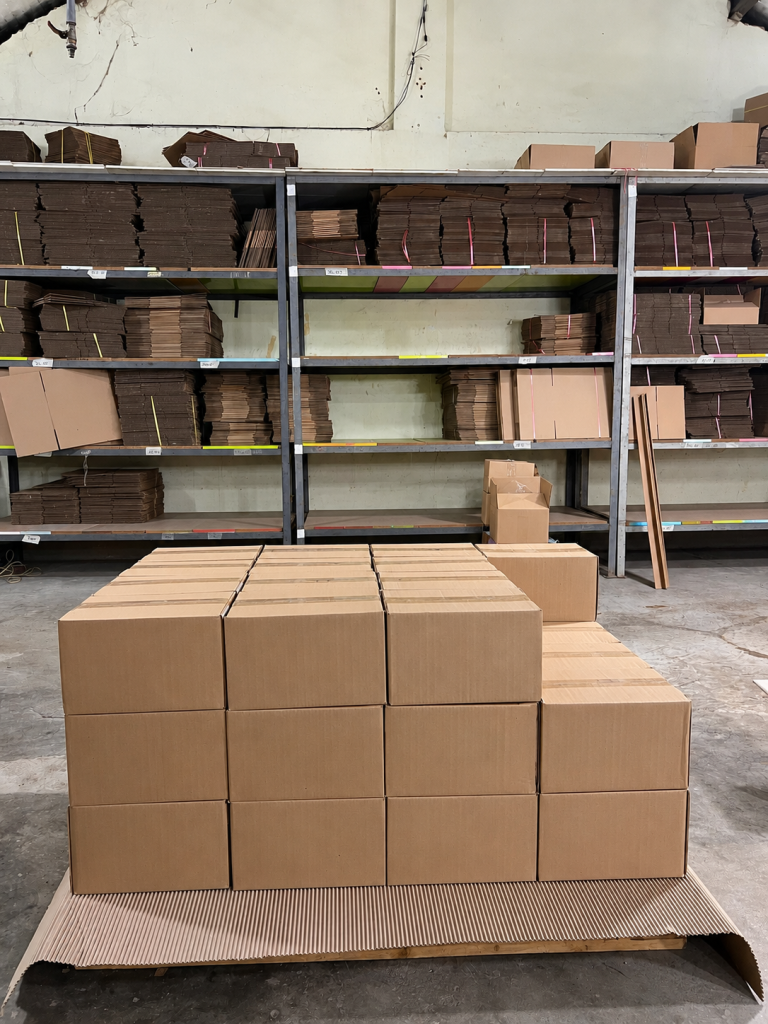
Corrugated cardboard packaging materials used in Truc Lam’s OEM manufacturing and export operations.
EU PPWR 2026 marks an important development in European packaging regulations. Established under Regulation (EU) 2025/40, the Packaging and Packaging Waste Regulation introduces stricter requirements for packaging placed on the EU market, creating new considerations for manufacturers and exporters worldwide.
For OEM manufacturers in Vietnam, these requirements raise an important question: Will the new regulations create additional challenges, or will they become an opportunity to strengthen cooperation with European customers?
At Truc Lam Co., Ltd., we believe that understanding regulatory changes, improving packaging material traceability, and working closely with customers and suppliers are essential steps toward building reliable and sustainable international partnerships.
Understanding EU PPWR 2026: Key Packaging Requirements
The EU Packaging and Packaging Waste Regulation (PPWR) introduces a new approach to how packaging is designed, used, and managed throughout its lifecycle. Beyond protecting products during transportation, packaging must increasingly meet requirements for material safety, waste reduction, and recyclability.
A key aspect of the regulation is the control of hazardous substances in packaging materials. The PPWR maintains a combined concentration limit of 100 mg/kg for lead, cadmium, mercury, and hexavalent chromium. It also introduces specific restrictions on PFAS in food-contact packaging, reinforcing the EU’s commitment to reducing potential environmental and health risks.
The regulation also establishes requirements for packaging minimization, recyclability, technical documentation, and declarations of conformity, with different implementation timelines. For manufacturers supplying the European market, these changes highlight the growing importance of understanding packaging materials, working closely with suppliers, and maintaining reliable documentation throughout the supply chain.
The Challenges of PPWR Compliance
For manufacturers supplying the European market, adapting to the PPWR presents challenges that go beyond understanding regulatory requirements. The transition toward more sustainable packaging demands changes in how businesses evaluate materials, manage suppliers, and maintain documentation throughout their supply chains.
One of the primary challenges is ensuring transparency and traceability. Packaging materials often originate from different suppliers, each with its own production processes, technical specifications, and documentation practices. Verifying material composition, obtaining reliable supporting evidence, and maintaining consistent records can require considerable coordination, time, and resources.
Another important challenge is balancing environmental responsibility with product protection. Reducing packaging materials or adopting more recyclable alternatives must not compromise the safety and quality of products during storage and international transportation. This is particularly important for metal components, where exposure to moisture, surface damage, and demanding shipping conditions can affect product quality.
For small and medium-sized manufacturers, these requirements may also create additional pressure on costs and operational resources. Compliance is therefore not simply about replacing packaging materials or collecting certificates. It requires a practical and coordinated approach that considers environmental objectives, product protection, and the realities of international trade.
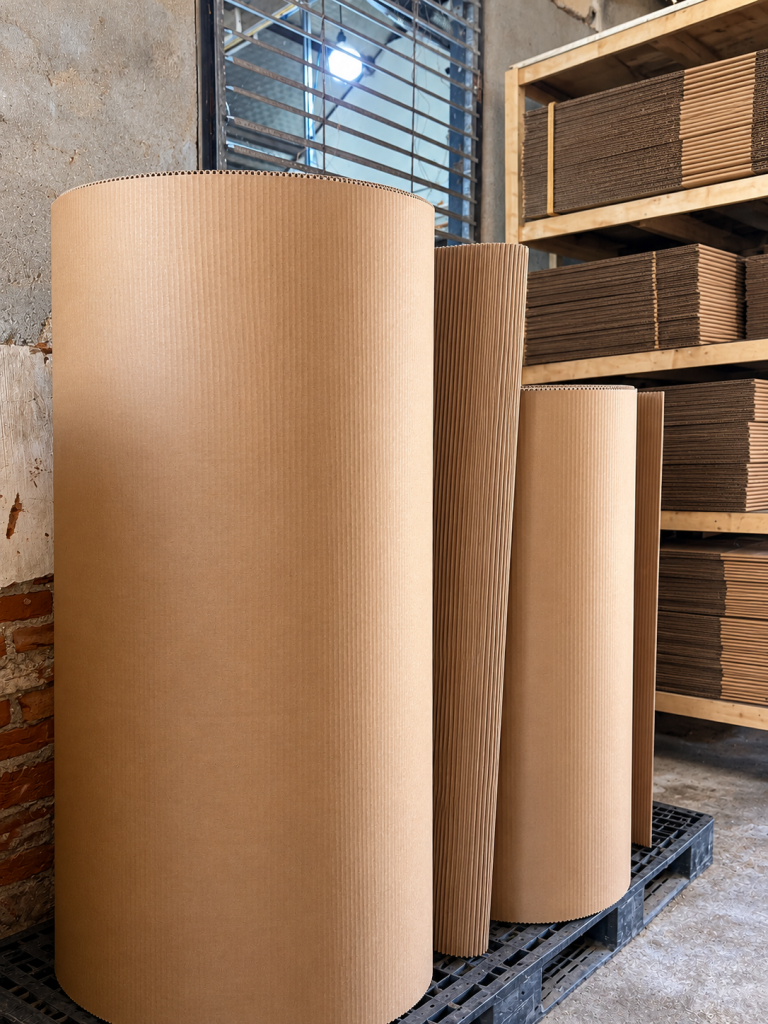
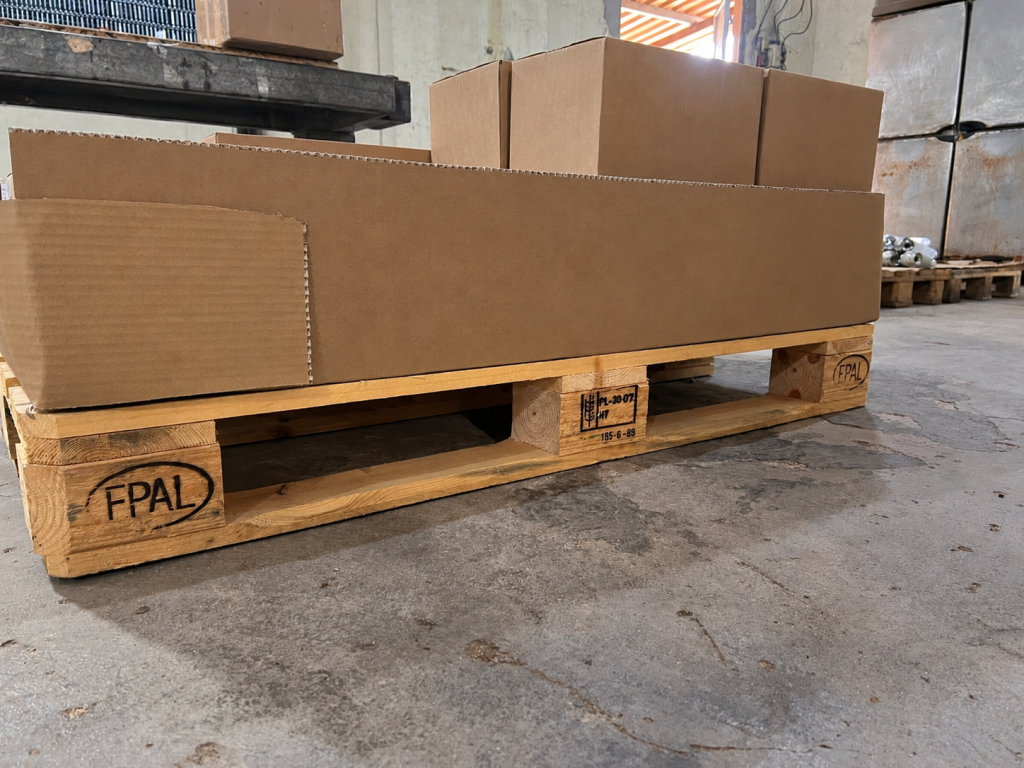
At Truc Lam, these challenges are directly relevant to our export packaging, which includes pallets, corrugated cardboard, carton boxes, PE bags, and protective bars. Each material plays a role in protecting our mechanical components during transportation. Understanding their specifications, coordinating with suppliers, and evaluating suitable packaging solutions are essential steps as we adapt to evolving European requirements.
Turning Compliance into Stronger Partnerships
At Truc Lam, we see the PPWR not simply as a regulatory obligation, but as an opportunity to strengthen cooperation with our European partners. Shared commitments to transparency, environmental responsibility, and product quality create a stronger foundation for long-term business relationships.
By working closely with suppliers to verify material specifications, collect supporting documentation, and improve traceability, we aim to provide our customers with clearer and more reliable packaging information. This transparency helps build confidence and supports closer cooperation throughout the supply chain.
Through these efforts, we aim to go beyond simply meeting regulatory requirements and create greater value for our European partners. Reliable packaging information and transparent communication enable both sides to make informed decisions, improve packaging solutions, and strengthen cooperation. In this way, compliance becomes a shared commitment that supports long-term trust and sustainable business relationships.
For Truc Lam, the true value of PPWR lies beyond compliance. It is a bridge that connects responsible manufacturing with customer confidence, transforming shared challenges into stronger and more sustainable partnerships.
Truc Lam Co., Ltd.
Nha Trang, Khanh Hoa, Vietnam
Website: https://truclamltd.com
Contact us to discuss your OEM precision metal stamping requirement